
SAP Commerce On-Premise Is Reaching End of Support. Question #3: How Much Will a Migration Cost and What Drives the Price?

Now that we’ve covered what the end of support for SAP Commerce on-premise means and the options available after 31 July 2026, the next logical question is: How much will the migration cost? It’s one of the first questions management asks when planning a budget. At the same time, it’s one of the hardest to […]
SAP Commerce On-Premise Is Reaching End of Support. Question #2: What Are Your Options After 31 July 2026?
If you’ve already established that the end of support for SAP Commerce on-premise affects your business, the next logical question is: what comes next? After 31 July 2026, doing nothing is unlikely to be the right strategy. Your system may continue to operate, but every month spent running an unsupported platform increases technical, security and […]
SAP Commerce On-Premise Is Reaching End of Support. Question #1: What Does This Mean for Your Business?
If your business is still running SAP Commerce on-premise, 2026 should already be a key milestone on your technology roadmap. On 31 July 2026, SAP will end mainstream maintenance for SAP Commerce 2205, the last on-premise release of the platform. Your system won’t stop working overnight, but it will no longer receive standard support, security […]
Serverless: Owning Less, Shipping Faster
Despite the name, “serverless” does not mean there are no servers. There are always servers. It just means that your team don’t need to manage them directly. A platform such as AWS, Google Cloud, Azure, Vercel, Netlify, Cloudflare, Firebase, or Supabase takes over more of the infrastructure work, and you focus more on product logic. […]
Elementor 4.0: My Take on the New V4 Editor
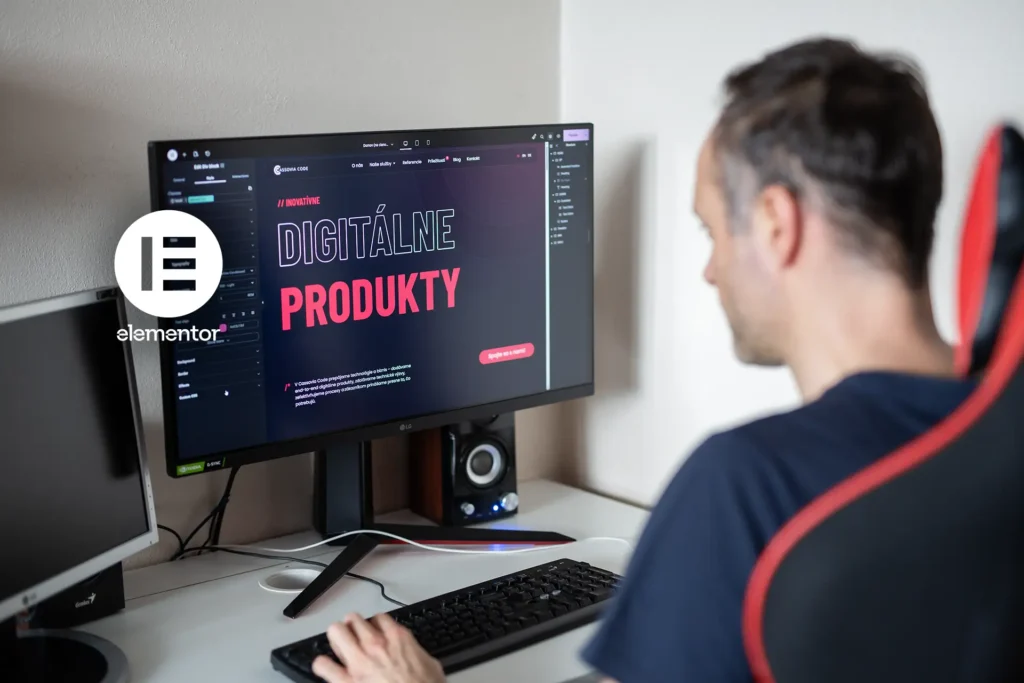
With Elementor 4.0 currently being released, I decided to share my own perspective on this new version. Since I’ve been following the V4 editor from its very first test releases, I wanted to sum up how it feels to me today, what I think it brings to the table, and where I see its biggest […]
Raspberry Pi and Web Development: A Practical Guide (Part 3)

If you’ve already gone through the introduction to Raspberry Pi capabilities, selected the right hardware, completed the installation, basic configuration, and taken your first steps in Linux, it’s time to raise the bar to the next level. In the final part of our series, we’ll dive into real-world web development.
Raspberry Pi and Web Development: A Practical Guide (Part 2)

In the previous part, we explored the potential of using Raspberry Pi devices for web development and explained what to focus on when choosing the right model and accessories. This time, we’ll dive into the first steps after purchase — how to safely assemble your Raspberry Pi, get it up and running, and prepare it for your future software experiments.
Total Commander – Why You Should (Re)Try It and How to Use It to the Fullest | Part 2: Organization, Automation & Pro Tips

In our previous article, we explored some simple tricks to help you work more efficiently with files using Total Commander. If you’re already comfortable with the basics, these advanced tips will show you how to take things to the next level—automating tasks, organizing your workspace, and speeding up your workflow. They may be small tricks, […]
Total Commander – Why (Re)Try It and How to Use It to the Fullest | Part 1: Basics of Efficient Work
Some might think writing about Total Commander in the 21st century is outdated—but for those of us who grew up in the MS-DOS era, Norton Commander was a lifesaver from the black command line. Even today, Total Commander remains my go-to file manager and the first thing I install after setting up Windows. While some […]
Live IT Projects: How We Created an Interactive Map of Košice with Students

Five aspiring programmers, four months of intensive work, one refined prototype, and eighth place out of 67 projects. That’s how we can sum up Cassovia Code’s participation in the tenth edition of Live IT Projects. Bridging the Gap Between Academia and Industry Live IT Projects is the result of long-term collaboration between the Department of […]